
Renovating historic homes is a delicate endeavor that involves much more than replicating architectural details or preserving a bygone era’s aesthetic. Our design philosophy recognizes that design is not a fixed set of rules or strict stylistic boundaries; rather, it is a living, breathing process intimately connected to the people who inhabit the space. As an award winning team that has been honored for our treatment of historic renovation, we want to share how we approach the renovation of historic homes by placing the user at the heart of design and treating style as an evolving dialogue between past and present.
The Organic Origins of Historic Design
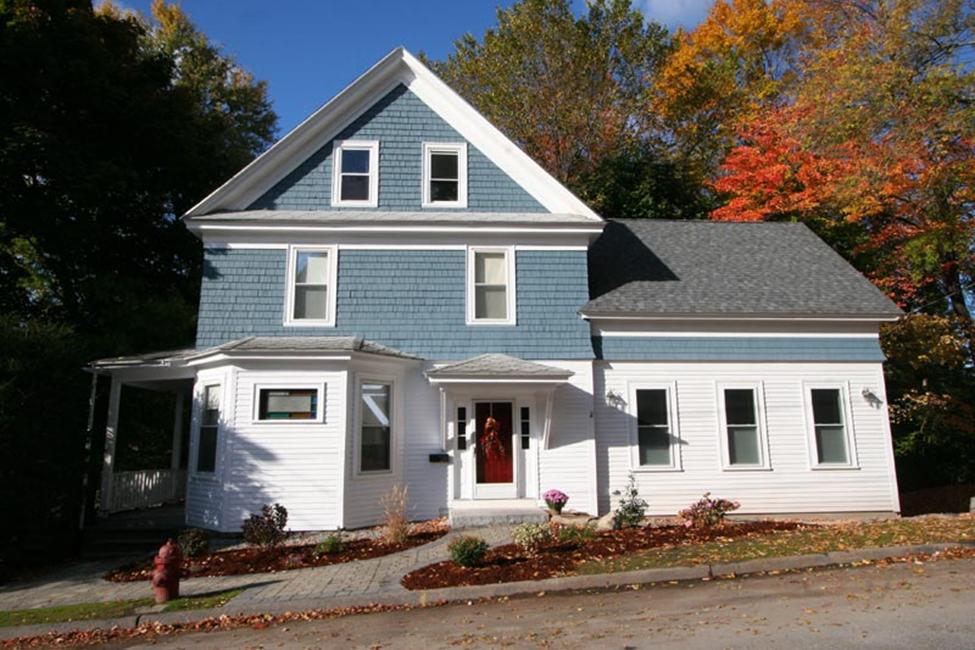
The styles we now associate with the colonial era were never conceived by detached “design professionals” working in isolation. Instead, these homes emerged from the combined efforts of owners and skilled craftsmen responding creatively to immediate needs, the materials at hand, and collective tastes of the time. This historical perspective reminds us that design is fundamentally a human endeavor—shaped by function, context, and personal priorities.
When we undertake the renovation of a historic property, we bring an in-depth understanding of these organic constructs. We appreciate that each home’s form and character evolved pragmatically and purposefully, not as an abstract aesthetic exercise. Therefore, our role becomes one of careful stewards and interpreters, translating historical design principles to fit modern life without erasing the building’s original spirit.
Balancing History with Modern Living
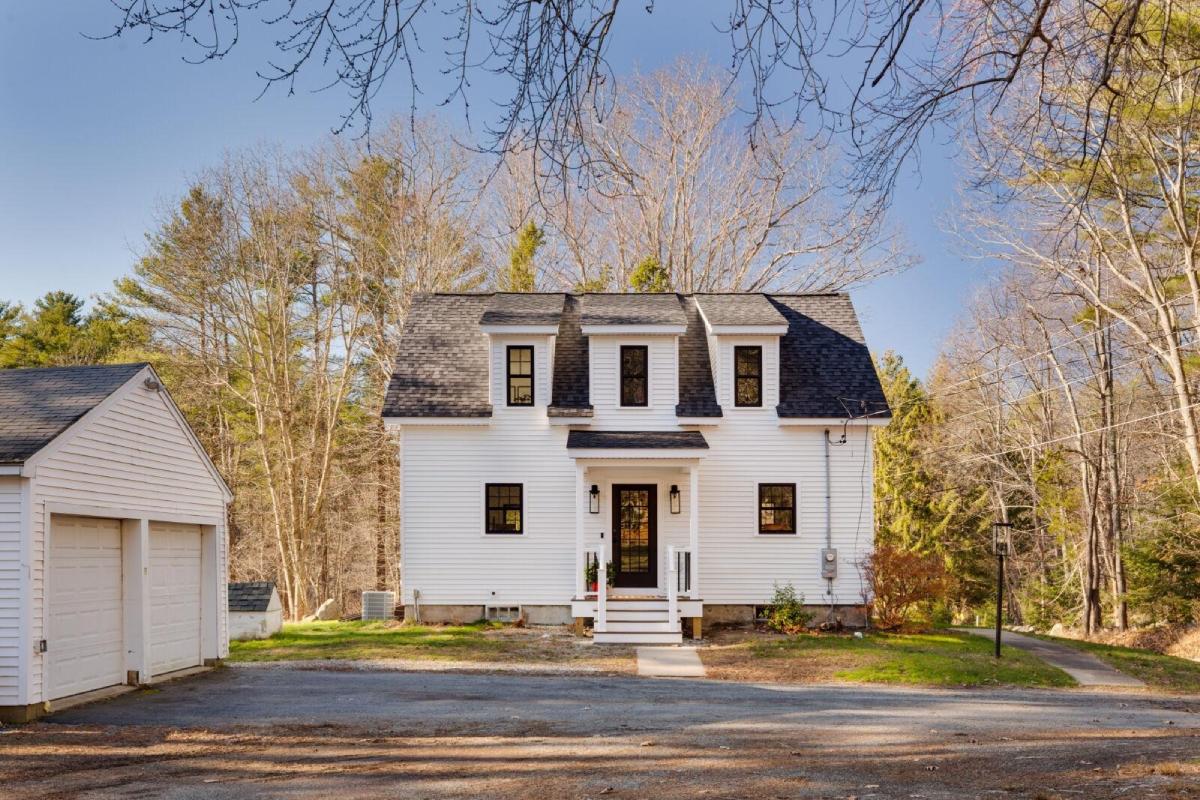
Central to our process here at ALC Design is a commitment to engage closely with the client—to grasp their lifestyle, preferences, and aspirations for the home. This collaboration ensures that our design serves the people who will live in the house rather than conforming to static style manuals. This is true with all of our projects, regardless of style or period. With historic era homes, this commitment develops in two paths, that of reproduction and restoration, or one of creative re-use and adaptation.
When clients prioritize faithful reproduction, we conduct thorough research and analysis to understand the historical forms and ideas driving their vision. This lets us craft a renovation that respects architectural integrity while adapting to the site’s unique conditions and contemporary standards, such as improved insulation or updated safety codes.
Alternatively, many clients seek to weave historic elements into a more flexible, modern lifestyle. In these cases, we strive to create a nuanced balance by selectively incorporating period details and motifs alongside functional innovations like open floor plans, efficient lighting, or cutting-edge materials. This approach honors tradition without sacrificing everyday usability.
Design as a Responsive Dialogue
Our design capabilities—our skills, technical knowledge, and creative instincts—function as tools to realize the ideal home tailored to the client’s individuality. Rather than imposing rigid definitions of style, we see design as an ongoing conversation: between the home’s history and the family’s present needs, between the craftsmanship of the past and the technology of today, and between the urgencies of functionality and the timeless allure of heritage.
This flexible philosophy enables us to celebrate the beauty and spirit of historic homes while ensuring they continue to serve meaningful, vibrant lives. By thinking of design as an evolving, user-centered process, renovations become more than restorations—they become personalized narratives that bridge eras.

Renovating historic homes with a philosophy that embraces design as an organic process puts our client—and their unique needs—at the core of every decision. This approach not only respects the historical origins of these enduring structures but also reinterprets them with modern technologies and lifestyles in mind. Whether the goal is precise reproduction or a thoughtful blend of old and new, such sensitivity and collaboration produce homes that are both timeless and truly lived-in. Through this evolving dialogue between past and present, historic homes can remain vibrant, functional, and deeply personal for generations to come.