
A home renovation is one of the most significant investments most homeowners will ever make. Whether you’re remodeling a kitchen, adding a new bathroom, or renovating your entire house, the success of your project largely depends on the contractor you choose. A skilled, reliable contractor can make your dream home a reality, while the wrong one can lead to delays, cost overruns, and lasting frustration.
Choosing the right contractor takes research, patience, and attention to detail. Here’s what to look for when selecting a home renovation contractor to ensure your project runs smoothly from start to finish.
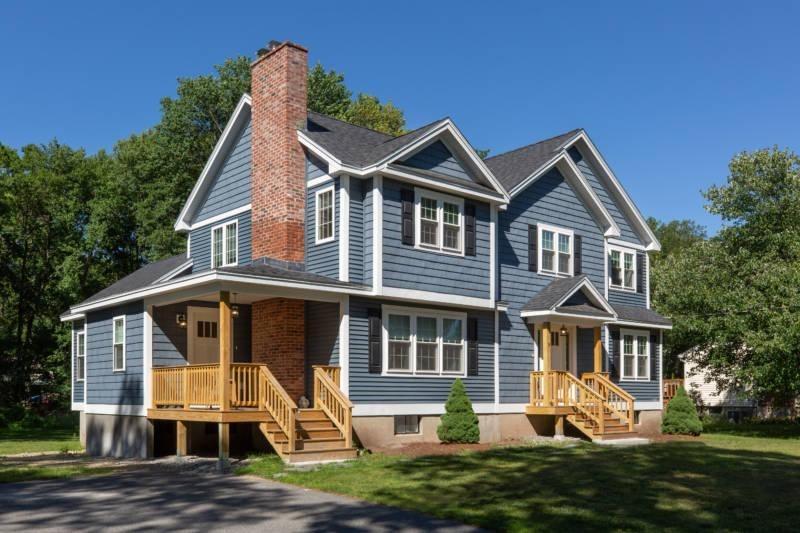
1. Proper Licensing and Insurance
Before anything else, make sure the contractor is fully licensed and insured. Licensing requirements vary by state and city, but a valid license indicates that the contractor meets local standards for training, experience, and legal compliance. You can typically verify licenses through your state’s contractor licensing board or local government website.
Insurance is equally important. A reputable contractor should have:
- General liability insurance, which covers damage to your property during the project.
- Workers’ compensation insurance, which protects you from liability if a worker is injured on the job.
If a contractor lacks these coverages, you could be held financially responsible for accidents or damages that occur during the renovation. Always request proof of both before signing a contract.
2. Experience and Relevant Expertise
Not all contractors specialize in the same types of work. A company that excels in kitchen remodels may not have the right experience for a structural addition or historic restoration. When interviewing potential contractors, ask about their background in projects similar to yours.
Some helpful questions include:
- How long have you been in business?
- How many projects like mine have you completed?
- Can you show photos or provide references from similar jobs?
A seasoned contractor with a portfolio of comparable projects will be better equipped to anticipate challenges, coordinate subcontractors, and deliver a high-quality result. You probably not be happy with the process if you hire someone who has done mostly decks and porches to do your custom kitchen.
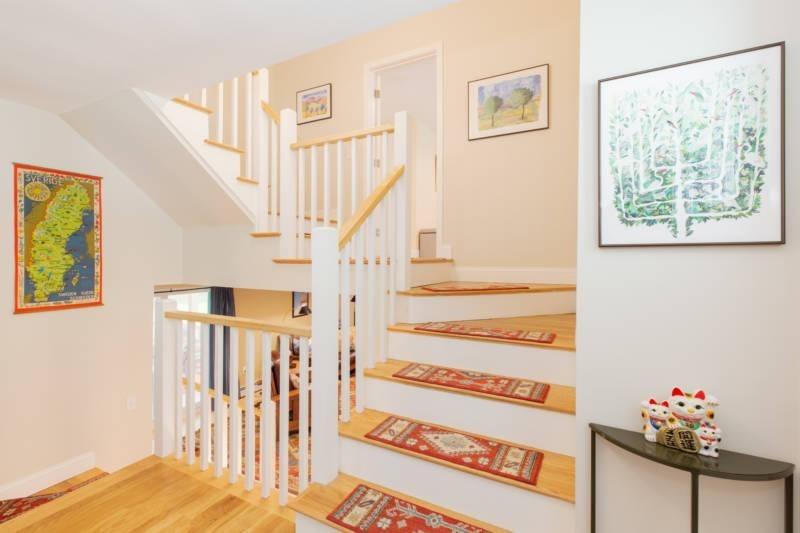
3. Strong Reputation and References
Reputation speaks volumes. A trustworthy contractor should have a history of satisfied clients and positive reviews. Start by asking friends, family, or neighbors for personal recommendations—word of mouth is often the most reliable way to find reputable professionals.
Next, check online review platforms such as Google Reviews, Yelp, Houzz, or Angi. Read both positive and negative feedback to identify consistent patterns. One or two complaints aren’t unusual, but repeated issues—like poor communication or missed deadlines—are red flags.
Finally, ask the contractor for at least three references from recent clients. When you call these references, ask:
- Was the project completed on time and within budget?
- How did the contractor handle unexpected issues?
- Would you hire them again?
Speaking directly with past clients can give you valuable insight into what working with that contractor is really like.
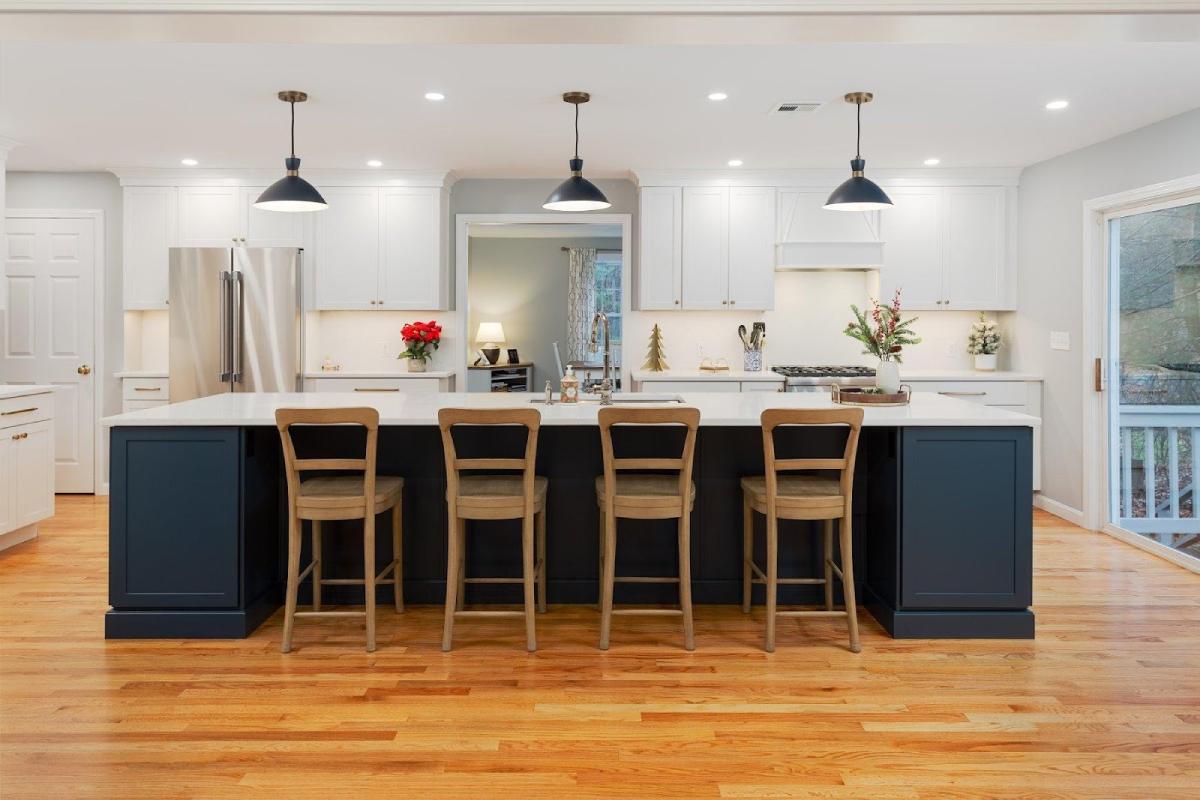
4. Transparent Pricing and Detailed Estimates
Clear, honest communication about cost is crucial. A reputable contractor should provide a written estimate outlining:
- The scope of work
- Project Budget
- What is included in the budget
- Material specifications
- Project timeline
Be wary of comparing quotes. one contractor’s bid is significantly lower than the rest, that’s another warning sign. It may mean they are not including as much in the project budget, or they don’t have the same understanding of the scope as you or the other contractors. At the worst, they could be including inferior materials, underestimating costs, or planning to cut corners.
Don’t automatically choose the cheapest option; instead, focus on value and clarity. A fair, transparent estimate reflects professionalism and integrity.
5. Good Communication and Professionalism
Renovations can last weeks or months, so you’ll be in frequent contact with your contractor. Look for someone who communicates clearly, listens to your concerns, and responds promptly to questions.
During your initial meetings, take note of how they explain the process:
- Do they answer your questions patiently and thoroughly?
- Are they upfront about potential challenges or risks?
- Do they provide realistic timelines instead of overpromising?
Good communication also extends to their organization and professionalism. Their contracts, estimates, and scheduling systems should be clear and easy to understand. If communication is poor before you sign a contract, it’s unlikely to improve once work begins.
6. A Solid Contract
A well-written contract is your best protection. Before work begins, make sure you have a formal agreement that includes:
- A detailed scope of work
- Start and completion dates
- Payment schedule tied to progress milestones
- Materials and product specifications
- Procedures for handling changes or unexpected discoveries
- Procedures for handling changes in schedule
- Warranties for labor and materials
Never rely on verbal promises. Everything you agree to should be in writing, signed by both parties. Read the entire contract carefully and ask questions before signing. A reputable contractor will be happy to explain any details you’re unsure about.
7. Project Management and Subcontractors
A large portion of the value in a contractor is in who they know. Who do they use to complete the specialty work in your project. Some contractors do try to handle all the work themselves, but most will use subcontractors for plumbing, electrical, or specialized trades. Find out who will manage the subcontractors on site, and make sure that the people they use will be good team members too.
If subcontractors are involved, confirm that:
- The contractor regularly works with them
- They are properly licensed and insured
- The contractor oversees their work directly
A well-managed team ensures better quality control, consistent communication, and fewer delays.
8. Trust and Personal Fit
Beyond credentials and pricing, trust your instincts. Renovations are stressful enough without working with someone who makes you uneasy. You should feel comfortable expressing concerns, asking questions, and giving feedback throughout the project.
If a contractor pressures you to make quick decisions, avoids detailed answers, or seems dismissive of your input, those are red flags. A good contractor treats your home—and your vision—with respect.

Selecting the right home renovation contractor isn’t just about hiring someone with the right tools—it’s about finding a professional partner you can trust with one of your most valuable assets. When you find the right match, you’ll gain more than a successful renovation—you’ll gain peace of mind, knowing your home is in capable hands.